


- New
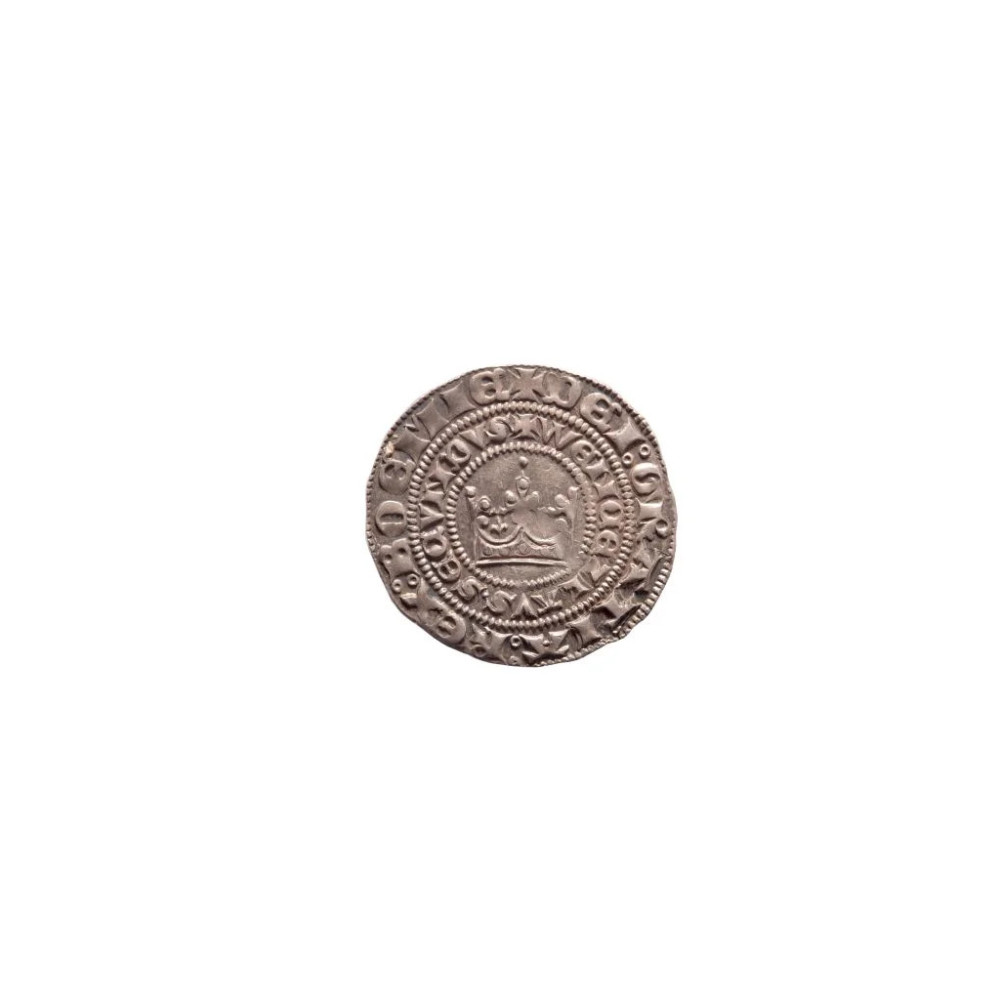
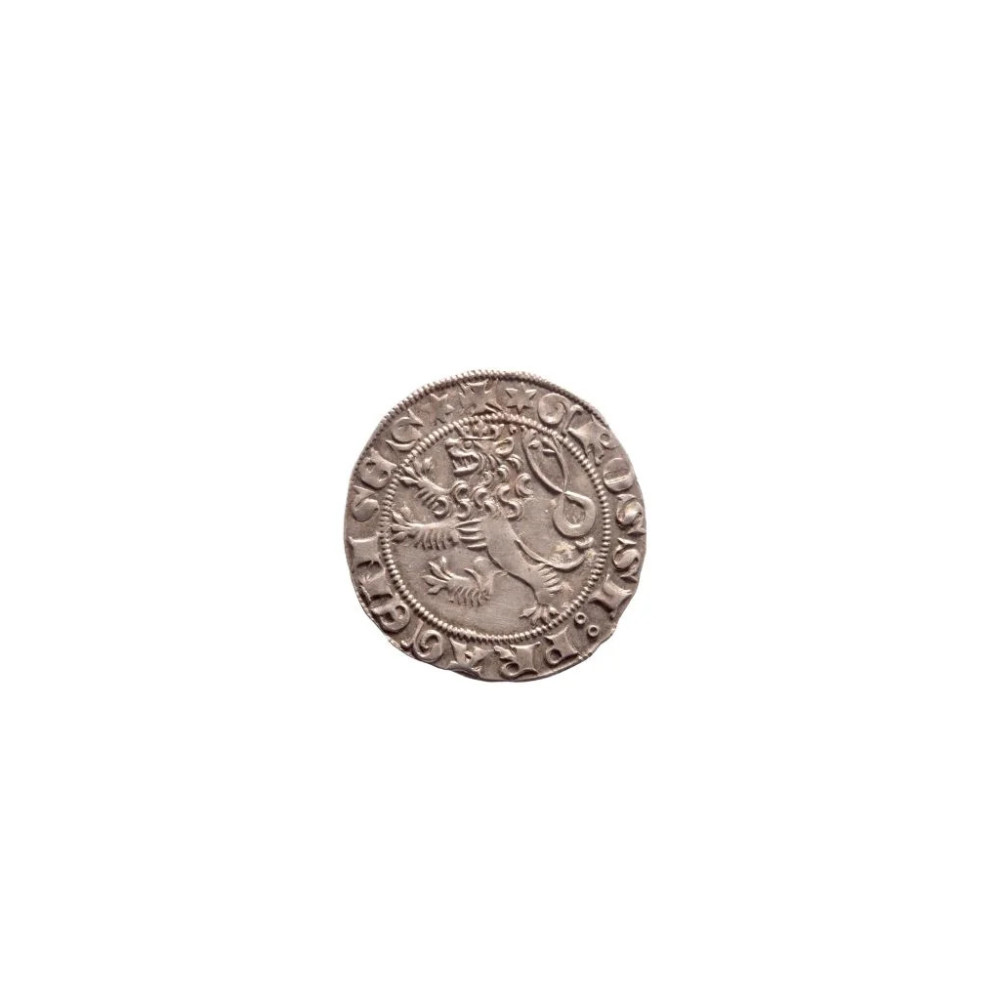
King Wenceslas II’s Prague Groschen – 3.8 g – silver coin
Material: silver
Fineness: 933/1000
Weight: 3.8 g
Diameter: 28 mm
Country of Origin: Czech Republic
Denomination: Prague Groschen
The historic silver coin known as the Prague Groschen, minted between 1300 and 1305 during the reign of Czech King Wenceslaus II (1278–1305), is one of the most significant coins of the Czech Middle Ages. The coin was minted at the Kutná Hora mint from silver of a high fineness of approximately 933/1000, with a typical weight of about 3.7 g and a diameter of approximately 28 mm.
The introduction of the Prague groschen is linked to Wenceslas II’s extensive monetary reform of 1300, which fundamentally changed the monetary system of the Kingdom of Bohemia. The new silver coin replaced the existing denars and bracteates, and thanks to its quality, high precious-metal content, and stable value, it quickly spread not only throughout the Czech lands but also to other regions of Central Europe.
The minting of Prague groschen was closely linked to the rich silver deposits in Kutná Hora, which, at the turn of the 13th and 14th centuries, became one of Europe’s most important centers of silver mining and coinage. The new coin was modeled after the French tour gros. One Prague gros was equivalent to 12 small coins called parvy.
The obverse of the coin depicts the Czech royal crown, a symbol of royal power and the sovereignty of the Kingdom of Bohemia. The crown is surrounded by two circular Latin inscriptions: “WENCEZLAVS SECVNDVS” (Wenceslaus II) and “DEI GRATIA REX BOEMIE” (King of Bohemia by the Grace of God). The individual inscriptions are separated by decorative pearls, characteristic of medieval numismatic art.
The reverse side features a depiction of a crowned Czech double-tailed lion in a leaping pose, a traditional heraldic symbol of the Czech state. The motif is complemented by the Latin inscription “GROSSI PRAGENSES,” which translates to “Prague groschen.” The striking relief of the lion and the simple yet stately composition are among the most famous motifs of Czech medieval coinage.
Wenceslas II’s Prague groschen became a symbol of the economic prosperity of the Kingdom of Bohemia and laid the foundations for a monetary system that endured for more than two centuries. Its minting continued under subsequent Czech rulers until 1547, with the weight and silver purity gradually changing over time.
Thanks to its age, great historical significance, and distinctive medieval symbolism, Wenceslas II’s Prague groschen is an exceptionally attractive collector’s item for enthusiasts of numismatics, Czech history, and historical silver coins.
Data sheet

King Wenceslas II’s Prague Groschen – 3.8 g – silver coin
Material: silver
Fineness: 933/1000
Weight: 3.8 g
Diameter: 28 mm
Country of Origin: Czech Republic
Denomination: Prague Groschen


